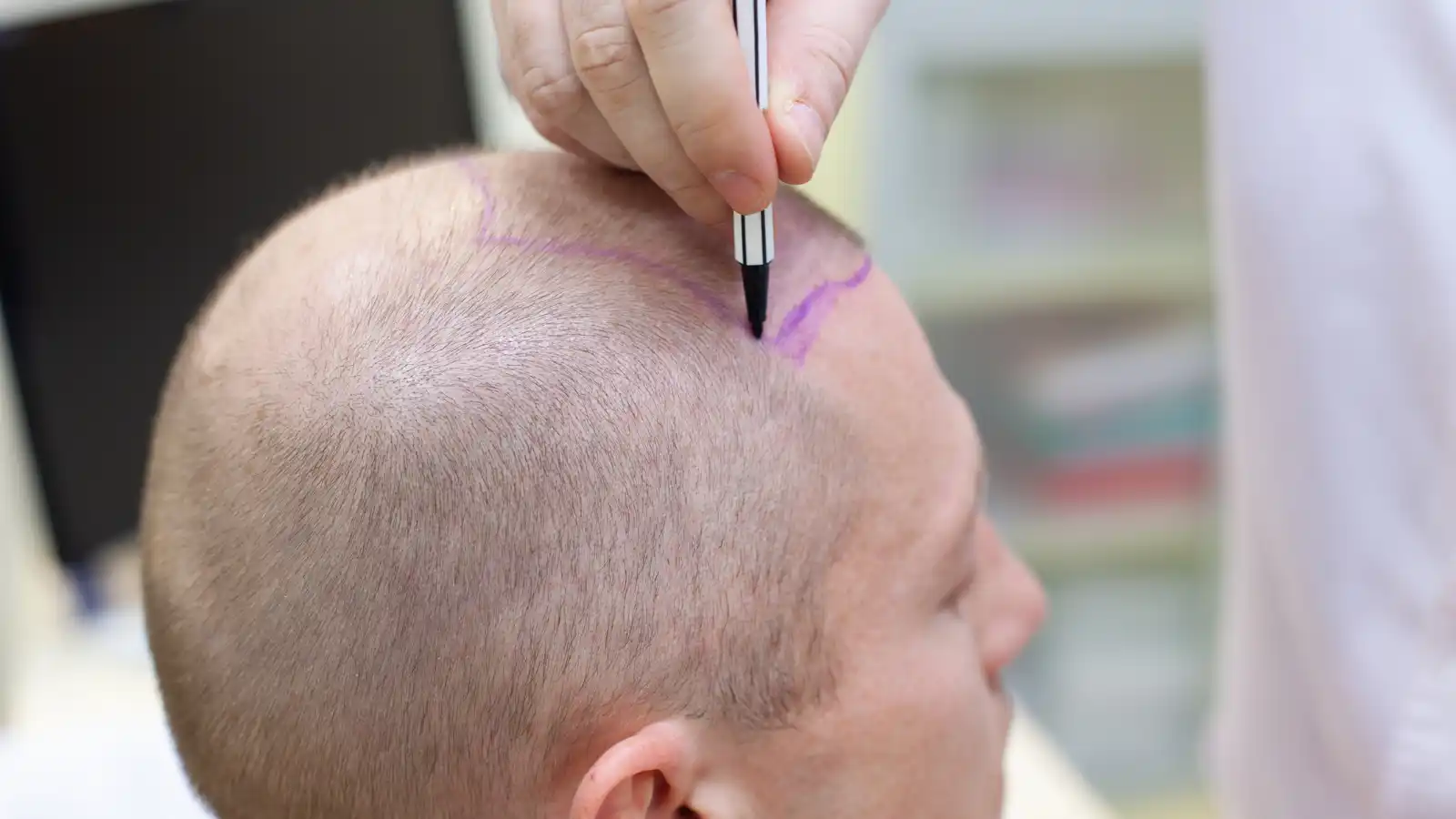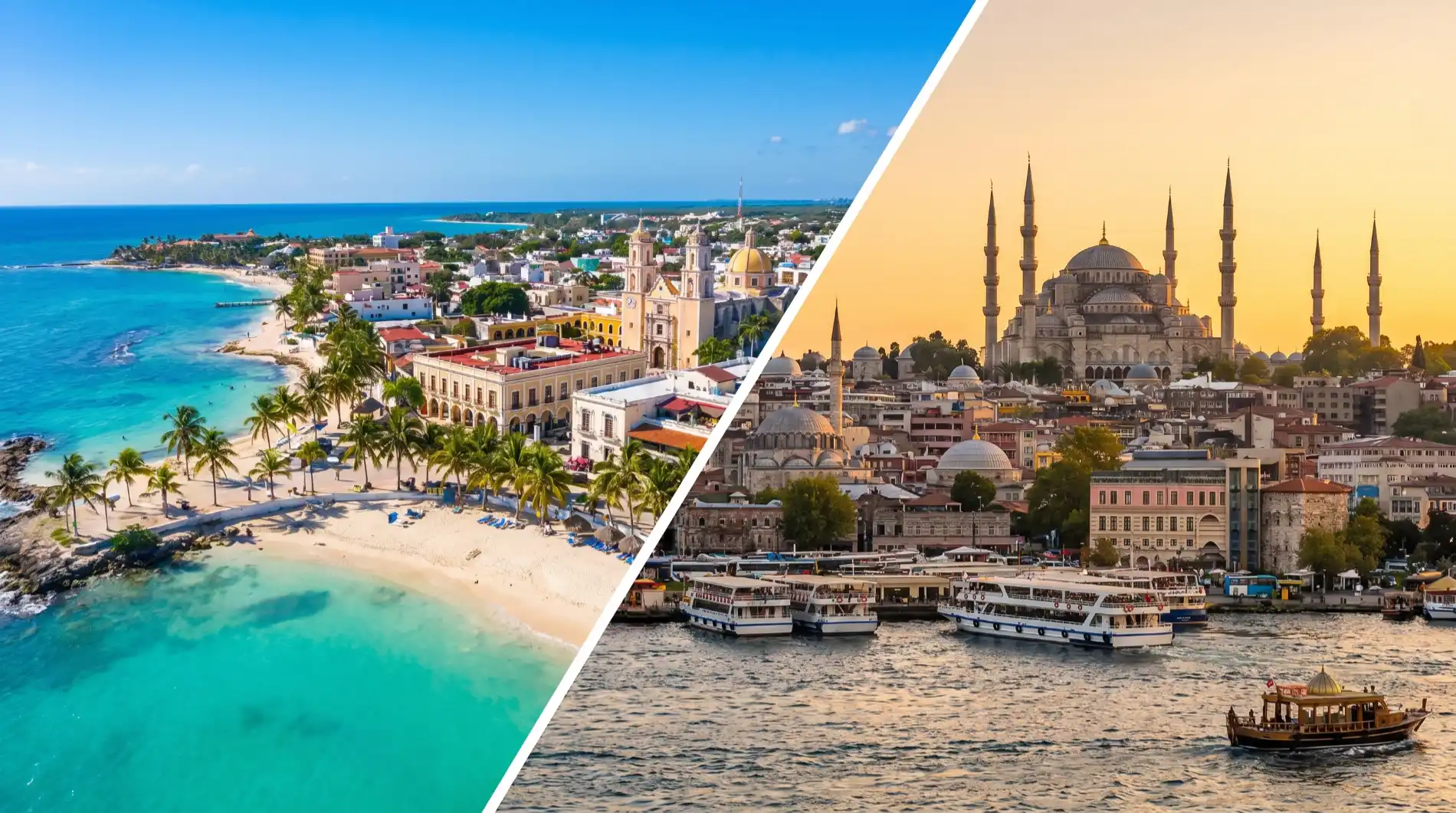
Turkey has long dominated hair transplant tourism — but Mexico is changing the game for patients across North America. Here's how the two destinations compare on cost, quality, convenience, and overall experience.
Medical tourism for hair restoration has exploded over the past decade, and two countries have emerged as standout destinations: Turkey, the long-reigning global capital of hair transplants, and Mexico, a rising powerhouse offering world-class results at highly competitive prices — without the punishing long-haul flight. If you're weighing your options, this in-depth comparison will help you decide which destination best suits your needs, budget, and expectations — whether you're flying in from Los Angeles, Dallas, New York, Toronto, or Vancouver.
The Rise of Medical Tourism for Hair Restoration
Hair loss affects millions worldwide, and the demand for effective, affordable hair transplant procedures continues to grow. In the United States and Canada, a quality transplant typically costs between $10,000 and $25,000 — putting surgery out of reach for many patients. This has driven an enormous wave of medical tourism, with patients seeking overseas options where clinical expertise meets affordability.
Turkey established itself as the pioneer of this movement in the 2010s, with Istanbul becoming synonymous with budget-friendly transplants. More recently, Mexico — particularly Tijuana, Mexico City, Guadalajara, and Cancún — has emerged as a sophisticated alternative, combining cutting-edge techniques with exceptional hospitality, modern medical facilities, and the unbeatable advantage of being right next door to North American patients.
Cost Comparison: Mexico vs Turkey
Clinics in Turkey typically charge between $2,000 and $4,500 for a full hair transplant package, including accommodation, airport transfers, and aftercare. Prices vary significantly depending on the clinic's reputation and the surgeon's experience.
Mexico offers comparable procedures starting from $2,500 to $5,500, often with more personalized service and smaller patient volumes per day. While the per-procedure price can be slightly higher than Turkey's lowest-tier offerings, the total trip cost — once you factor in flights, time off work, and recovery logistics — frequently makes Mexico the better-value choice for patients based in North America.
For US and Canadian patients, both destinations represent dramatic savings — often 70-80% less than domestic prices. But the math changes significantly when you account for travel. A flight from Los Angeles to Istanbul is roughly 14-16 hours each way with layovers; a flight to Tijuana, Mexico City, or Guadalajara is 2-5 hours direct, with no jet lag and no overnight transit. For patients on the East Coast, a flight to Cancún or Mexico City is shorter and cheaper than crossing the Atlantic. For Tijuana, many patients simply drive across the border from San Diego.
Quality of Care and Medical Standards
Turkey processes an estimated one million hair transplant patients annually, which has been both a strength and a weakness. Top-tier Turkish clinics operate at an exceptional standard, but the sheer volume has led to the proliferation of "hair transplant mills" — high-volume operations where technicians, rather than doctors, perform most of the procedure. International patients have increasingly reported rushed consultations, assembly-line experiences, and inconsistent results.
Mexico has cultivated a more boutique approach. Leading Mexican clinics operate under strict regulations enforced by COFEPRIS (Mexico's federal health regulator) and the General Health Council, and many are accredited by international bodies. Top clinics employ board-certified surgeons — many trained in the United States, Spain, or with credentials recognized by the American Board of Hair Restoration Surgery — and typically handle fewer patients per day. This means each case receives greater attention from the lead surgeon rather than being delegated to technicians. Mexican doctors are known for meticulous craftsmanship and a patient-first philosophy, producing natural-looking results that hold up under close scrutiny.
Techniques Offered
Both countries offer the full spectrum of modern hair transplant techniques:
- FUE (Follicular Unit Extraction) — the most popular minimally invasive method
- DHI (Direct Hair Implantation) — using specialized Choi pens for precise placement
- Sapphire FUE — utilizing sapphire blades for cleaner incisions and faster healing
- Long Hair FUE — allowing patients to see immediate results
- Beard, eyebrow, and body hair transplants — both countries have extensive experience
Mexican clinics tend to invest heavily in the latest US- and European-manufactured equipment and often provide highly customized treatment plans tailored to each patient's hair type, ethnicity, and aesthetic goals. Turkish clinics generally offer higher graft counts per session, but this isn't always advantageous — over-harvesting can damage donor areas and compromise long-term results. Mexican surgeons typically take a more conservative, results-focused approach that protects the donor area for any future procedures.
Surgeon Expertise Across Diverse Hair Types
Both destinations serve international clientele with diverse hair characteristics. Turkey's primary patient base historically comes from the Middle East and Europe, giving surgeons deep experience with Caucasian and Mediterranean hair types.
Mexico's top clinics serve a remarkably diverse patient base. Surgeons routinely treat Caucasian patients from the US and Canada, Hispanic and Latino patients with a wide range of hair textures, African American patients, and increasingly, patients from Europe and Asia drawn by the value and convenience. Each ethnicity has distinct follicular characteristics, growth patterns, and aesthetic considerations, and Mexican surgeons have developed particular expertise in designing hairlines that look natural across all of them. For Hispanic and Latino patients in particular, Mexican clinics often offer unparalleled experience and culturally attuned aesthetic judgment.
Travel Experience and Recovery Environment
Istanbul is a vibrant, historic city, but it can feel overwhelming during recovery. The climate varies dramatically by season, traffic is notoriously difficult, and language barriers outside tourist zones can be frustrating. The journey home — a long-haul flight with multiple layovers — is also less than ideal during the critical first week of healing.
Mexico offers a gentler, more accessible recovery experience. Tijuana has emerged as a hub for cross-border medical tourism, with modern clinics within walking distance of the San Ysidro border crossing. Mexico City and Guadalajara provide world-class hotels, exceptional cuisine, and sophisticated urban amenities. For those who want to combine surgery with genuine relaxation, coastal destinations like Cancún, Tulum, Puerto Vallarta, and Los Cabos offer post-procedure recovery in some of the world's most beautiful settings — all just a short flight from anywhere in the US or Canada.
English is widely spoken in medical and hospitality settings throughout Mexico's tourism hubs. The proximity to North America means no jet lag, no overnight transit, and the comforting knowledge that you're only a few hours from home if anything unexpected arises. Many clinics partner with nearby hotels offering tailored recovery packages — and the overall trip cost makes the entire experience remarkably affordable.
Aftercare and Follow-Up
Turkish clinics often provide a single intensive aftercare session before patients fly home, and post-return communication can be inconsistent depending on the clinic. The 7,000+ mile distance also makes in-person follow-ups effectively impossible for most international patients.
This is where Mexico holds a decisive advantage. Established Mexican clinics emphasize long-term relationships with their international patients, with most offering multiple follow-up consultations via video call, detailed recovery protocols in English, and ongoing support for up to 12 months post-surgery. Crucially, if anything needs in-person review, returning is genuinely practical — a short flight or even a drive across the border, rather than a 16-hour intercontinental journey. This continuity — critical for monitoring growth and addressing any concerns — significantly improves outcomes for patients investing in life-changing results.
Which Should You Choose?
Choose Turkey if: You want maximum graft counts in a single session, prefer a highly established destination with extensive online reviews, are traveling from within Europe where flights are quick and cheap, or want to combine your procedure with a deep dive into Middle Eastern history and culture.
Choose Mexico if: You're based in the United States, Canada, or anywhere in the Americas; you value personalized care; you prefer boutique clinics over high-volume operations; you want minimal travel time and zero jet lag during recovery; or you want to combine your procedure with a beach holiday in Cabo, Cancún, or the Riviera Maya. Mexico is the obvious choice for North American patients seeking genuine value without compromising on quality — and it's increasingly popular with European and Asian travelers as well.
Final Thoughts
Both Mexico and Turkey offer excellent hair transplant options at a fraction of US and Canadian prices. However, Mexico's combination of skilled surgeons, boutique clinic environments, exceptional hospitality, unbeatable proximity to North America, and outstanding value is making it the smart choice for a growing number of patients across the continent.
For Americans and Canadians especially, the calculation is straightforward: world-class results, a fraction of domestic prices, no jet lag, no long-haul flight, and the option to recover on a beach just hours from home.